
Ellie and Liv Creative Workshops for Art Relaxation and Acting Skills
- Jo x
- 4 days ago
- 8 min read
We are delighted to welcome Ellie and Liv to Champagne & Ginger to showcase their beautiful fused glass creations for the whole of August.
Some days, the best thing a person can do is put the noise down and make something with their hands. A piece of glass. A painted face. A line of Shakespeare spoken with courage. A character voice tried for the first time, even if it makes everyone laugh.
That simple idea sits at the heart of Ellie and Liv.
We are a mum and daughter small business, built from a shared love of making, performing, teaching, and helping people find a calmer, more playful space in their week. Ellie is a fused glass artist. Liv is a paint artist and professional actor. We began working together around three years ago, first by taking our creations to fairs and meeting people face to face.
Then a television programme changed the direction of our work. We watched Robson Green try different activities to support mental wellbeing, and it stayed with us. The idea was not complicated. Creative activity can give people a gentle outlet. It can help them pause, focus, enjoy themselves, and feel connected to something outside their usual routine.
That inspired us to set up our own studio, offering creative workshops in art, glass, painting, and performance. During nicer weather, our setting near a river bank gives us the chance to take some sessions outdoors too.

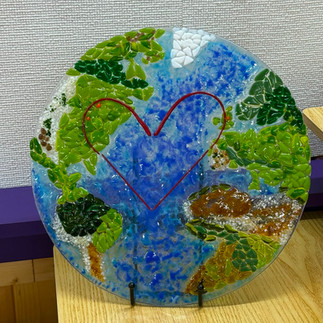

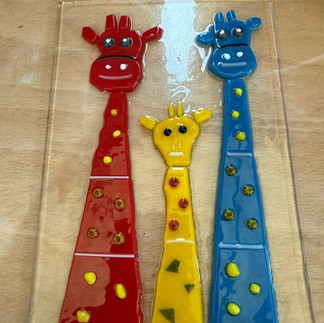

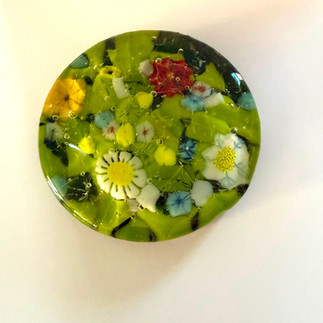
Our story began with fairs, handmade work, and real conversations
Before the studio, there were fairs.
We packed up our work, set up tables, arranged glass pieces and paintings, and spent the day talking to people who stopped to look. Fairs teach a small business a lot. They show which colours draw people in. They show which pieces make someone smile. They also show how much people enjoy hearing the story behind handmade work.
Those early days mattered because they kept everything human. We were not just selling objects. We were sharing time, skill, care, and conversation.
Over time, we noticed something else. People often said things like:
“I would love to try that, but I’m not artistic.”
“I haven’t painted since school.”
“I need something relaxing.”
“I’d love to act, but I’d be nervous.”
“I wish I had the confidence to use my voice more.”
Those comments shaped the next chapter. We realised that the work on the table was only part of it. The experience of making could be just as valuable as the finished piece.
That is where the workshop idea took hold.
Creative workshops offer space to slow down


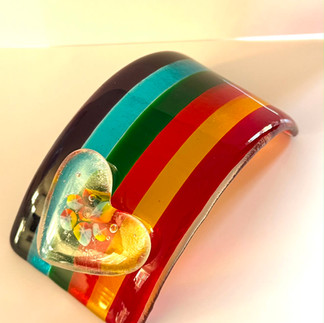


A good workshop gives people permission to stop rushing. There is no need to perform, produce something perfect, or know what to do before arriving.
Our approach is gentle, practical, and friendly. We guide each session clearly, but we also leave room for individual style. Some people want to follow a plan. Others want to experiment. Both are welcome.
The point is to create an atmosphere where people can try, make mistakes, ask questions, laugh, and leave with something they feel proud of.
Creative activity can support wellbeing because it draws attention into the present moment. Cutting shapes for fused glass, mixing paint, studying a face for a portrait, or trying a new accent all require focus. That focus can feel restful because it moves the mind away from daily pressure.
We do not present our workshops as therapy or a replacement for professional mental health support. They are creative, social, enjoyable sessions designed to offer relaxation, confidence, and a healthy outlet.
Ellie and Liv Creative Workshops for Art Relaxation and Acting Skills grew from that belief: creativity should feel accessible, useful, and full of life.
Fused glass workshops turn colour and texture into something lasting
Fused glass is one of those art forms that feels magical from the start.
There is colour, shine, pattern, and texture. There are small pieces that look simple on their own, then become something completely different when placed together. A workshop might involve choosing a design, cutting or arranging glass, building layers, and learning how the kiln transforms the piece.
The appeal of fused glass is that it suits many different confidence levels. A complete beginner can create something beautiful with guidance. Someone with more experience can explore more detailed designs and combinations.
Fused glass workshops are especially good for people who enjoy:
Colour and pattern
Hands-on making
Decorative pieces for the home
Gifts with a personal touch
A calm, focused activity
There is also something satisfying about the delay involved. The piece is not finished instantly. It needs to be fired. That wait becomes part of the process, and the final reveal feels special.
Painting workshops help people see in a new way

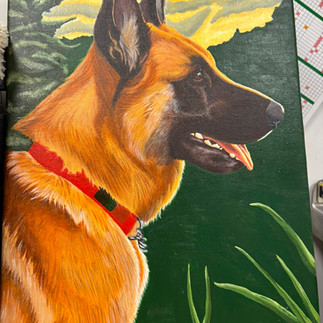

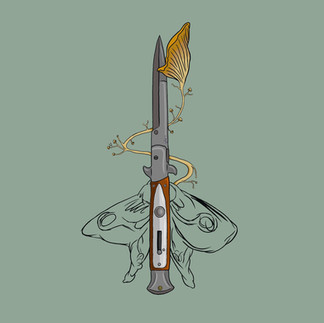
Painting asks people to look carefully. That is part of its value.
Whether the subject is a portrait, a river scene, a landscape, or a still life, painting begins with attention. Where does the light fall? What shape is the shadow? Is that colour really brown, or is it purple, green, and grey mixed together?
Liv brings together her visual art skills and her understanding of expression, character, and emotion. That makes portrait work especially interesting. A face is not just a set of features. It carries mood, personality, and story.
Our painting workshops can include:
Acrylic painting
Oil painting
Pencil portraits
Painted portraits
Landscapes
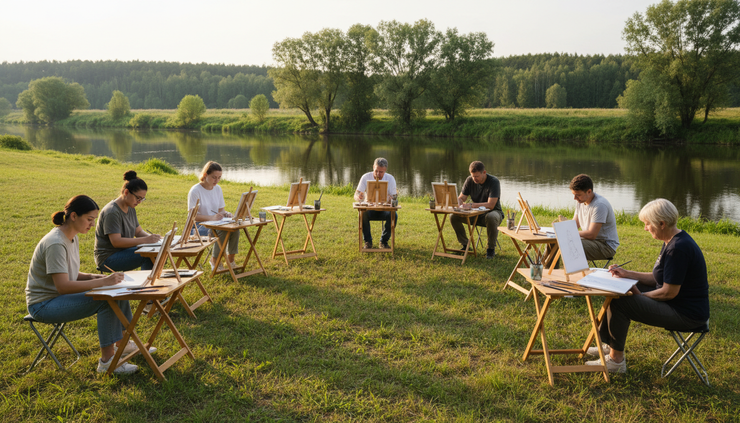
River-inspired outdoor sketching or painting when weather allows
Acrylics suit people who enjoy quick drying times and bold colour. Oils give more time to blend and soften. Pencil work is ideal for those who want to focus on form, detail, and tone.
No one needs to arrive with a polished style. Workshops are a place to learn how to observe, build an image step by step, and enjoy the act of making marks.
For some people, painting feels peaceful. For others, it feels energising. Many are surprised by how quickly they become absorbed.
Acting workshops build confidence through play
Acting can sound intimidating, but it does not have to be.
At its best, acting is play with purpose. It uses the voice, body, imagination, and attention. It teaches people to listen, respond, and take up space. Those skills can help on stage or on camera, but they can also help in everyday life.
Liv’s experience as a professional actor allows us to offer workshops that are both fun and grounded in real performance skills. The aim is to create a safe, lively space where people can try something new without feeling judged.
Our acting-based workshops include:
Acting for camera
Voice acting
Accent classes
Fun with Shakespeare
Acting for camera is useful for anyone curious about screen work. It explores how small choices can read strongly on camera, and how performance changes when the lens is close.
Voice acting opens up character, sound, pace, and imagination. It can be playful, freeing, and often very funny.
Accent classes help people explore how speech changes through placement, rhythm, vowel sounds, and musicality. They are not about mocking voices. They are about listening closely and learning respectfully.
Fun with Shakespeare makes classic language feel less frightening. Shakespeare was written to be spoken, not silently worried over. Once people get it on its feet, the rhythm, humour, conflict, and emotion become much easier to enjoy.
The river gives our workshops room to breathe
Living near a river bank gives us something we value deeply: a connection to the outdoors.
When the weather is kind, outdoor workshops can bring a different kind of calm. Natural light changes the way colours appear. Moving water gives people a subject that is never still. The sound and pace of the river can help people settle into the session.
Outdoor creativity works especially well for:
Sketching and landscape work
Colour studies
River-inspired fused glass ideas
Gentle drama games
Voice and breath exercises
Small group creative sessions
The river also helps people notice details they might usually pass by. Reeds moving in the wind. Reflections on the surface. The shape of a tree branch. A bird call. A patch of light on the path.
Those details can become art. They can also become a reset.
Of course, British weather has its own ideas. We plan outdoor sessions with care and keep comfort in mind. When the weather is not suitable, the studio remains the creative base.
Workshops are for beginners, returners, and curious people
One of the most common worries people have before booking a creative workshop is that they will not be “good enough”.
That worry is understandable, but it is not needed.
Our workshops are designed for people who want to try. That includes complete beginners, people returning to creativity after years away, and those who already make art or perform but want fresh inspiration.
A good workshop should meet people where they are. Some arrive nervous and quiet. Some arrive full of ideas. Some come with friends. Some come alone. The atmosphere matters, because people create better when they feel welcome.
We keep the focus on:
Enjoyment
The session should feel rewarding, not pressured.
Guidance
Clear steps help people relax into the process.
Choice
People can bring their own style and personality to the work.
Confidence
Trying something new is a success in itself.
Connection
Creative workshops often lead to lovely conversations between people who might not otherwise meet.
The finished piece matters, but the experience matters too. A glass decoration, portrait, painted landscape, recorded voice scene, or Shakespeare exercise can carry the memory of the day.
A mum and daughter business brings a personal touch
Working as a mum and daughter team gives Ellie and Liv its own character.
We bring different skills, but we share the same belief in creativity as something warm, practical, and human. Ellie’s fused glass work brings colour, patience, and hands-on craft. Liv’s painting and acting background brings expression, storytelling, and performance energy.
Together, we can offer a mix that feels unusual in the best way. One studio can hold both glass and Shakespeare. A session can move from quiet concentration to laughter. A person can discover that they enjoy both painting and voice work, even if they came in expecting to like only one thing.
That variety is part of our identity.
We know that creativity does not sit in one neat box. Art, voice, movement, colour, character, and story all connect. A portrait can feel theatrical. A piece of glass can be inspired by a landscape. A voice acting scene can use the same imagination as painting.
Our workshops allow those connections to happen naturally.
What people can take away from a session
A creative workshop can leave people with more than a finished item.
They might take away a fused glass piece that catches the light at home. They might leave with a portrait that surprised them. They might remember the moment they spoke a Shakespeare line and realised it made sense. They might discover that their voice can do more than they thought.
The deeper takeaway is often confidence.
Not loud, showy confidence. The quieter kind that says, “I tried that, and I enjoyed it.”
That feeling can encourage people to keep creating. It can help them book another class, pick up a pencil at home, visit a gallery, read a script aloud, or notice colours on a walk.
For us, that is the real joy of Ellie and Liv. We started with our own creations, then found a way to help other people access theirs.
Creativity does not need to be perfect to be worthwhile. It just needs space, encouragement, and a first step. Our studio, and our riverside setting when the weather allows, exists to offer exactly that.


Comments